Anxiety Therapy Online in New York & Arizona
Regain a sense of calm and control. Learn what your nervous system is doing when worry, panic or chronic stress takes over, and practice tools that actually settle it, from the privacy of home.


What Anxiety Really Is
Anxiety is your brain's alarm system doing its job a little too well. The stress response that helps you react to real danger starts firing at deadlines, conversations, health worries or nothing you can name, and your body follows: racing heart, tight chest, restless mind.
Anxiety is not a weakness or a character flaw. It is a real neurophysiological process, and that is good news: what the brain has learned, it can relearn. Gitty Rubin has specialized in anxiety disorders for over 20 years and helps you understand the "why" behind your symptoms so the tools finally make sense.
Signs of an Anxiety Disorder
Everyone worries. It becomes a disorder when the worry is hard to switch off and starts shaping your days.
Constant worry
Thoughts loop on "what if" and are hard to put down, even when you know the odds are small.
Physical tension
Tight shoulders, headaches, stomach upset, a racing heart or shallow breathing.
Panic attacks
Sudden waves of fear with a pounding heart, dizziness or a sense that something is terribly wrong.
Avoidance
Skipping calls, events or tasks because facing them feels too big.
Sleep trouble
A busy mind at bedtime, waking at night, or waking up already on edge.
Irritability and fatigue
Feeling keyed up all day leaves you drained, short-tempered and hard to concentrate.
When to Reach Out
If worry or panic is costing you sleep, work, relationships or joy for more than a few weeks, it is worth talking to someone. A 15-minute consult is an easy first step.
What Causes Anxiety?
The brain's alarm system
The amygdala flags threats and the stress response floods the body with adrenaline and cortisol. With repeated stress, this system can become over-sensitive and fire too easily.
Body and brain together
Breathing, heart rhythm and sleep feed straight back into how anxious you feel. A dysregulated body keeps the mind on alert, which is why we train both.
Life experience and learning
Stressful events, family patterns and habits of thinking teach the brain what to fear. Genetics can add to the load. The same neuroplasticity that built these patterns can reshape them.
How We Treat Anxiety
Care is built around you, and you can combine one-on-one work with a group.
Individual Therapy
One-on-one virtual sessions with CBT, biofeedback and neuroscience-informed tools tailored to your goals.
Learn MoreHRV Group Therapy
Heart rate variability biofeedback and mindfulness to train calmer self-regulation in real time.
Learn MoreAnxiety Management Group
Share experiences, feel less alone and practice proven strategies alongside others.
Learn MoreOur Approach to Calming Anxiety
You will not just learn coping tricks. You will learn how your own nervous system works, so every skill clicks into place.
- Understand the brain science behind worry and panic
- Cognitive Behavioral Therapy (CBT) to shift anxious thinking
- Biofeedback for real-time feedback on your body's stress response
- Skills you practice between sessions
- Fully virtual, secure video sessions from home
Meet Your Therapist
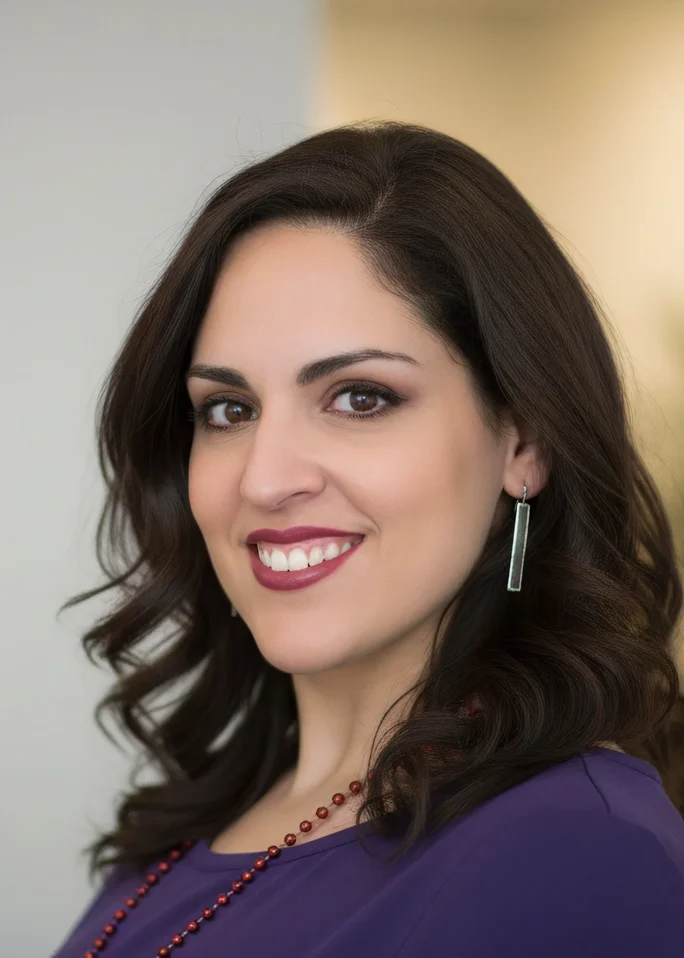
Gittel "Gitty" Rubin, LMHC, LPC
Founder and sole therapist of NeuroWise Therapeutics, with over 20 years of experience and thousands of individuals helped. Gitty specializes in anxiety and OCD and is trained in Cognitive Behavioral Therapy, play therapy, and bio- and neurofeedback.
Her approach integrates neuroscience, play and evidence-based therapies, so clients understand their own brain and take charge of their growth and healing.
Transparent, Private-Pay Fees
NeuroWise is a private-pay practice and does not bill insurance. We can provide a superbill you may submit to your plan for possible out-of-network reimbursement. No referral needed.
Frequently Asked Questions
Answers to common questions about getting started with NeuroWise.
Can anxiety be treated online?
Yes. CBT, biofeedback-guided breathing and skills practice all work well over secure video, and many people find it easier to open up from home.
How long does anxiety therapy take?
It depends on your goals and how long anxiety has been part of your life. Many people notice they understand their symptoms within the first few sessions; we review progress together as we go.
Do you prescribe medication for anxiety?
No. Gitty is a licensed mental health counselor and does not prescribe. If you take medication, therapy can work alongside it; talk with your doctor or psychiatrist about any medication questions.
Do I need a referral?
No referral is required. You can book a 15-minute consult ($60) directly.
Do you take insurance?
NeuroWise is private pay and does not participate in insurance networks. We can provide a superbill you may submit to your plan for possible out-of-network reimbursement.