Mood Disorder Therapy Online in New York & Arizona
Recognize mood shifts, understand the brain-emotion connection behind them, and build tools for greater stability and balance in daily life.


What Are Mood Disorders?
Mood disorders are conditions in which your emotional state is persistently low, high, or swings between the two in ways that disrupt daily life. They include depression, persistent depressive disorder and bipolar-spectrum conditions.
Moods are produced by the brain and body working together: sleep, stress, hormones, thoughts and relationships all play a part. Learning to read your own patterns is the foundation for more stability.
Signs of a Mood Disorder
The key is a pattern: moods that are more intense, longer or harder to manage than the situation explains.
Long low periods
Weeks of sadness, emptiness or hopelessness.
Unusual highs
Periods of very high energy, little need for sleep, racing thoughts or risky choices.
Mood swings
Shifts that feel sudden, strong and hard to predict.
Irritability
Being on a short fuse with people you care about.
Changes in sleep and energy
Sleeping much more or less, or energy that doesn't match your day.
Trouble functioning
Moods that get in the way of work, school or relationships.
When to Reach Out
If mood changes are disrupting your life or worrying the people close to you, reach out. If you are in crisis, call or text 988 or call 911.
What Shapes Our Moods?
Brain chemistry
Neurotransmitters and the brain's emotion networks regulate mood, and they can fall out of balance.
Rhythms and the body
Sleep, stress hormones and daily rhythms have a strong effect on mood stability.
Life and thinking patterns
Stress, loss and habitual ways of thinking can amplify mood swings. New skills can soften them.
How We Help With Mood Disorders
Therapy focuses on awareness, regulation and steady routines.
Our Approach to Mood Stability
You will learn to notice early signs and respond before a mood takes over.
- Track and recognize your mood patterns
- Understand the brain-emotion connection
- Routines that support sleep and energy
- Regulation skills for strong emotions
- Virtual sessions from home
Meet Your Therapist
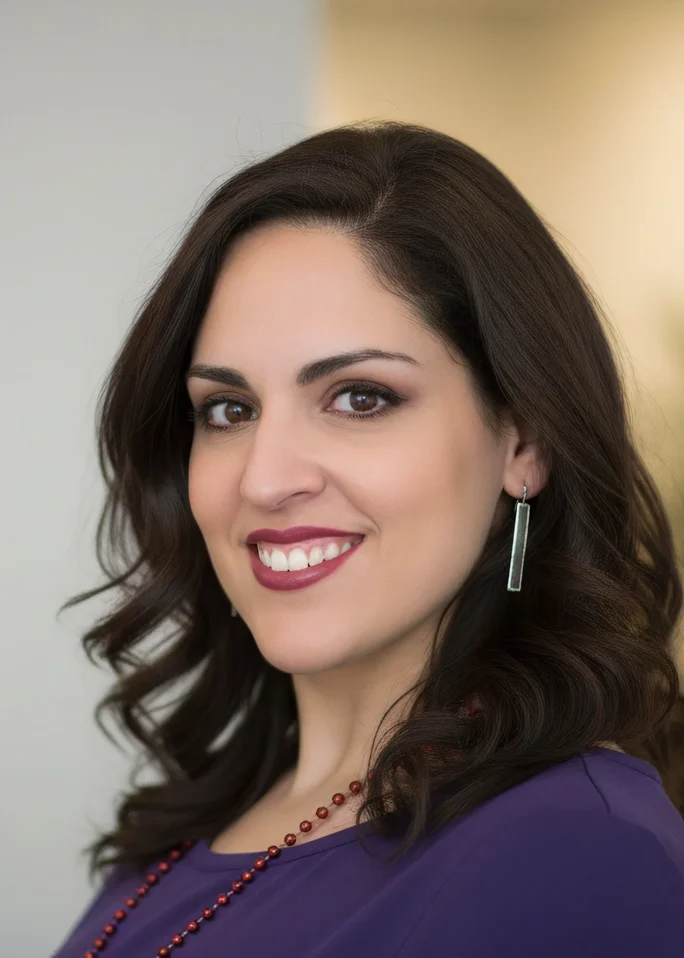
Gittel "Gitty" Rubin, LMHC, LPC
Founder and sole therapist of NeuroWise Therapeutics, with over 20 years of experience and thousands of individuals helped. Gitty specializes in anxiety and OCD and is trained in Cognitive Behavioral Therapy, play therapy, and bio- and neurofeedback.
Her approach integrates neuroscience, play and evidence-based therapies, so clients understand their own brain and take charge of their growth and healing.
Transparent, Private-Pay Fees
NeuroWise is a private-pay practice and does not bill insurance. We can provide a superbill you may submit to your plan for possible out-of-network reimbursement. No referral needed.
Frequently Asked Questions
Answers to common questions about getting started with NeuroWise.
Do you treat bipolar disorder?
Therapy can be a helpful part of care for bipolar-spectrum conditions, alongside treatment from a psychiatrist. Gitty does not prescribe medication. Let's talk on a 15-minute consult about your needs.
How do I know if it is a mood disorder or just stress?
Duration and impact are the clues. If mood changes last weeks or disrupt daily life, it is worth an assessment.
Is NeuroWise an emergency service?
No. If you are in danger, call or text 988 or call 911.
Do you take insurance?
NeuroWise is private pay. We can provide a superbill for possible out-of-network reimbursement.