ADHD Therapy Online in New York & Arizona
Learn how your brain handles attention, focus and impulses, and build practical strategies for organization, follow-through and emotional regulation that fit the way you actually think.


What Is ADHD?
Attention-deficit/hyperactivity disorder is a difference in how the brain regulates attention, activity and impulses. It is not about being lazy or not trying hard enough. The brain's self-management system, often called executive function, simply works differently.
ADHD often travels with frustration, anxiety and low self-esteem after years of being told to "just focus". Understanding your own wiring makes it possible to build systems that work with it.
Common Signs of ADHD
ADHD looks different in every person and often changes from childhood to adulthood.
Trouble sustaining attention
Drifting during conversations, reading or tasks that are not interesting.
Disorganization
Losing things, missing deadlines, and struggling to plan multi-step tasks.
Procrastination
Knowing what to do but struggling to start, then working in last-minute bursts.
Impulsivity
Interrupting, speaking or buying before thinking, or acting on the spur of the moment.
Restlessness
Fidgeting, difficulty sitting still, or a mind that never seems to slow down.
Big emotions
Quick frustration, sensitivity to criticism and difficulty calming down.
When to Reach Out
If attention or impulse struggles are affecting work, school, relationships or self-esteem, therapy can help you build strategies. A 15-minute consult helps you decide where to start.
What Causes ADHD?
A different executive system
ADHD involves the brain networks that manage focus, planning and impulse control, and the dopamine signalling that drives motivation.
Strong genetic links
ADHD tends to run in families. It is a neurodevelopmental difference, present from childhood even when it is noticed later.
Stress makes it louder
Poor sleep, stress and anxiety make ADHD symptoms worse, which is why we also train calmer self-regulation.
How We Help With ADHD
Therapy focuses on understanding and practical skills.
Individual Therapy
One-on-one sessions to build strategies for focus, organization and follow-through.
Learn MoreHRV Group Therapy
Biofeedback and mindfulness to strengthen attention and emotional regulation.
Learn MoreNeuroPlay
Games and animated videos that make brain science easy to understand for kids and adults.
Learn MoreOur Approach to ADHD
We start from how your brain works, then build tools around it rather than forcing a one-size-fits-all system.
- Learn how attention and impulses work in your brain
- Practical strategies for planning and follow-through
- Tools for frustration and emotional regulation
- Biofeedback for calmer focus
- Virtual sessions that fit a busy schedule
Meet Your Therapist
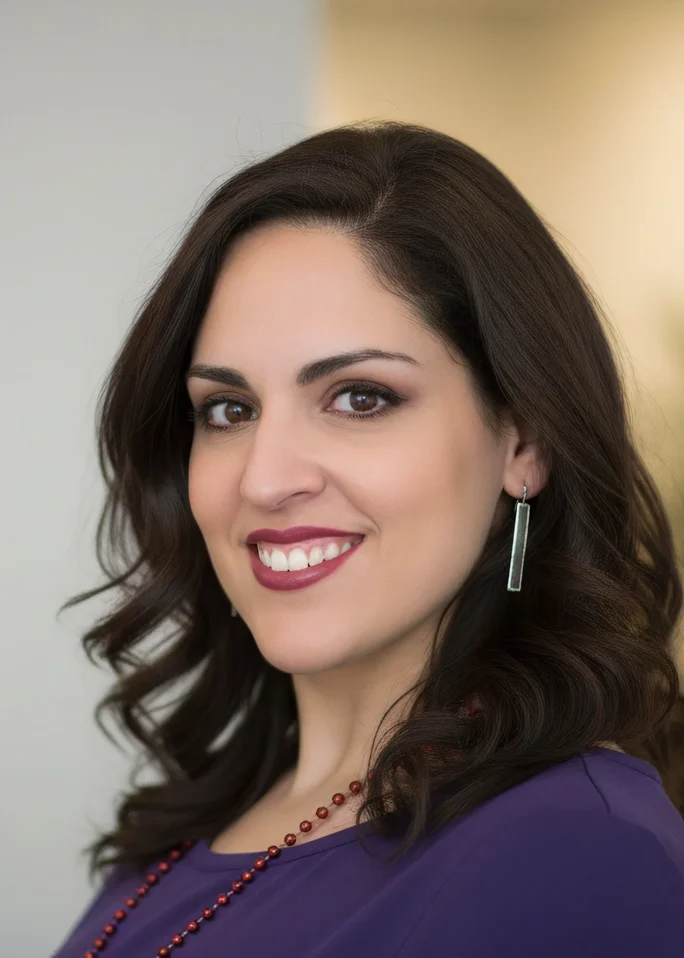
Gittel "Gitty" Rubin, LMHC, LPC
Founder and sole therapist of NeuroWise Therapeutics, with over 20 years of experience and thousands of individuals helped. Gitty specializes in anxiety and OCD and is trained in Cognitive Behavioral Therapy, play therapy, and bio- and neurofeedback.
Her approach integrates neuroscience, play and evidence-based therapies, so clients understand their own brain and take charge of their growth and healing.
Transparent, Private-Pay Fees
NeuroWise is a private-pay practice and does not bill insurance. We can provide a superbill you may submit to your plan for possible out-of-network reimbursement. No referral needed.
Frequently Asked Questions
Answers to common questions about getting started with NeuroWise.
Do you diagnose ADHD or prescribe medication?
Gitty does not prescribe medication. Therapy focuses on understanding and skills, and works alongside any care you receive from your doctor or psychiatrist. Ask on your consult about your specific needs.
Is therapy useful if I already take ADHD medication?
Yes. Medication can help with focus, while therapy builds the habits, systems and emotional skills medication does not teach.
Can adults get help for ADHD?
Absolutely. Many adults recognize ADHD later in life. Individual therapy is focused mostly on adults.
Do you take insurance?
NeuroWise is private pay. We can provide a superbill for possible out-of-network reimbursement.